
Pre-Conference-Excursions
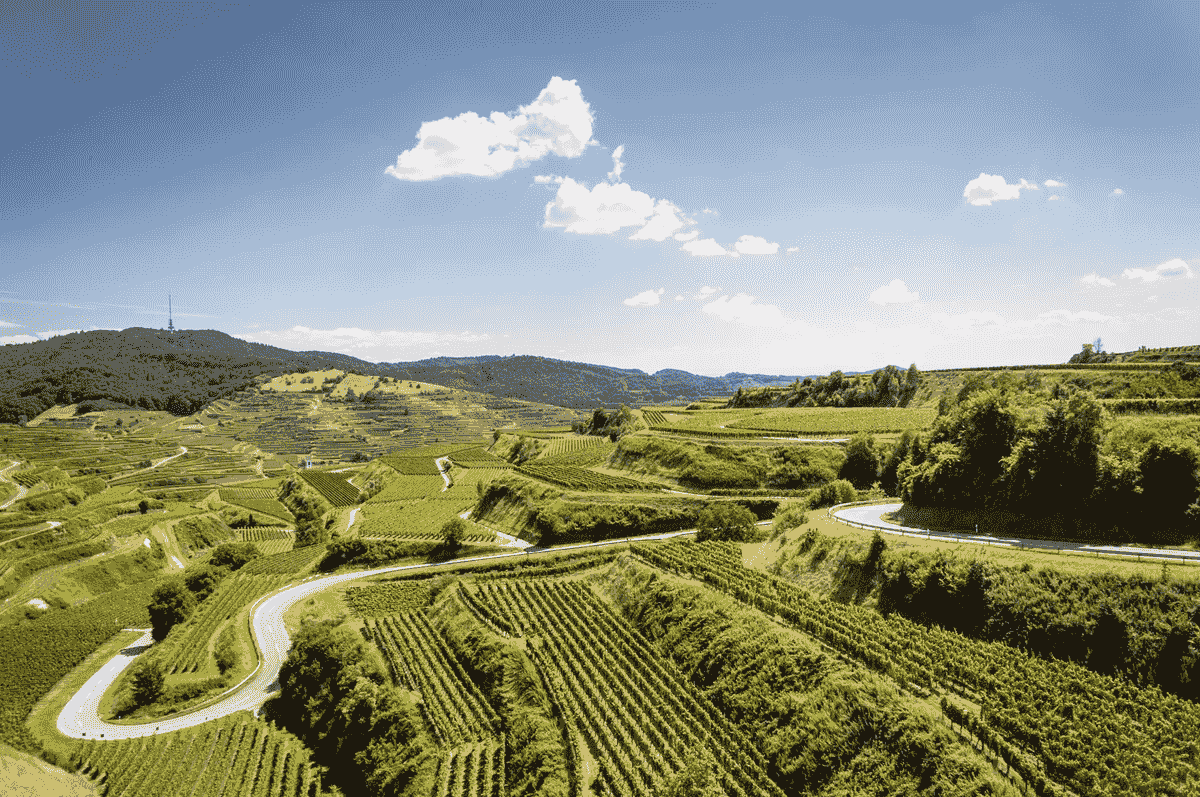
Kaiserstuhl on foot
Date: 28th of September, 2026 Time: ~9:00 AM more details will follow
For this excursion, we will take an early-morning S-Bahn from Freiburg station to
Sasbach, and then depart on an ~8-km-long hike. Along the way, we will discuss
the origin of the Upper Rhine Graben, of Kaiserstuhl volcano and its smaller
neighbour Limberg, and their Quaternary evolution through natural and
anthropogenic processes. Before returning back to Sasbach, there will be an
opportunity for lunch in a riverside Biergarten just below the ruins of Limburg
castle. We will then continue on by public transport to the village of Riegel,
where we will take a short walk (~2.5 km return) to its famous more than 35 m
high loess wall. The outcrop comprises up to five interglacial soils, and loess
sediments covering most of the last million years (presence of the
Matuyama-Brunhes Boundary (~780 ka) and tephrochronological evidence) at the
interface of the Atlantic and Mediterranean climate systems. After this final
excursion point, we will return back to Freiburg.Fee: 20 € - includes transportation, food and drinks need to be brought with you and/or bought at a restaurant by yourself.
Central Black Forest
Date: 28th of September, 2026 Time: ~9:00 AM more details will follow
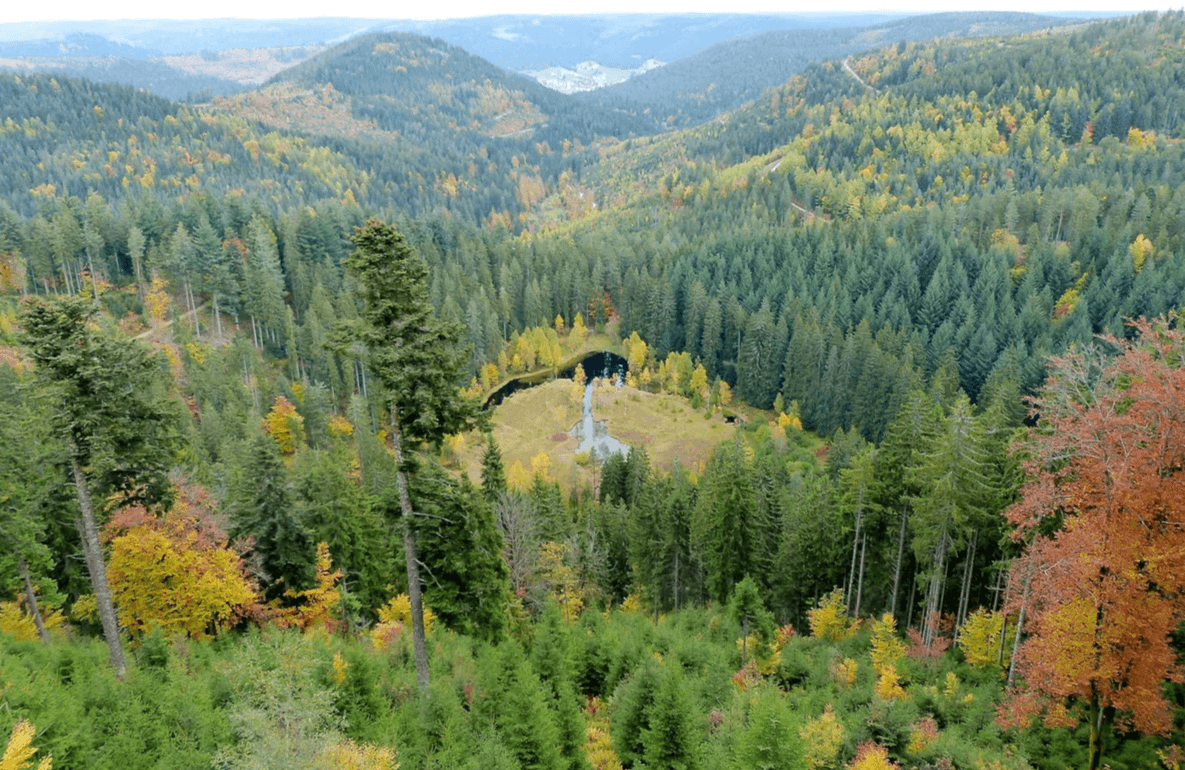
The central part of the Black Forest was only locally covered by cirque glaciers during the last glaciation. However, there has been very limited research carried out on this region so far, even though remnants of these glaciations are important evidence of past environmental conditions and atmospheric circulation patterns. A second topic of interest in this area is the change in fluvial dynamics, from a braided pattern during glacial times, to single streams with floodplains that became consecutively more influenced by humans. New evidence from both fields will be presented and discussed.
Fee: 60 € - includes transportation and a lunchpaket
MAXIMUM PARTICIPANT NUMBER REACHED
Freiburg City Tour
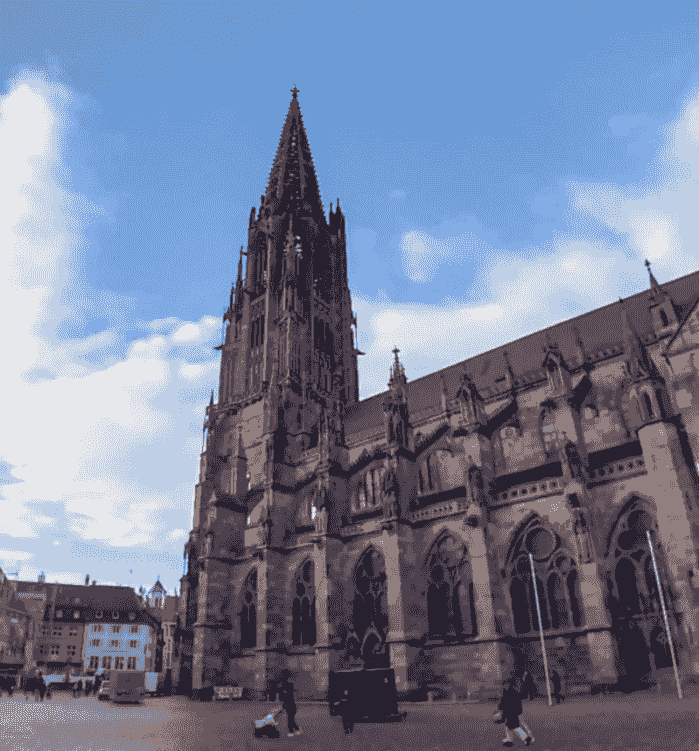
Freiburg City Tour from a geoscientific perspective
Date: 1st of October, 2026 Time: ~3:00 PM more details will follow
This excursion will lead you through the beautiful "old" town of Freiburg with its famous "Bächle" which distribute parts of the waters of the Dreisam River across the city. It is hard to believe that many of the historically-looking buildings have been re-built after the second world war (bombed by both German and Allied forces). However, the city centre of Freiburg preserved some nice examples of stone masonry that will be presented during a tour with emphasis on building stones. A particular focus will be on the history and materials used to build the Freiburg cathedral (Münster).
MAXIMUM PARTICIPANT NUMBER REACHED
Post-Conference-Excursions
Southern Black Forest
Date: 2nd of October, 2026 Time: ~9:00 AM more details will follow
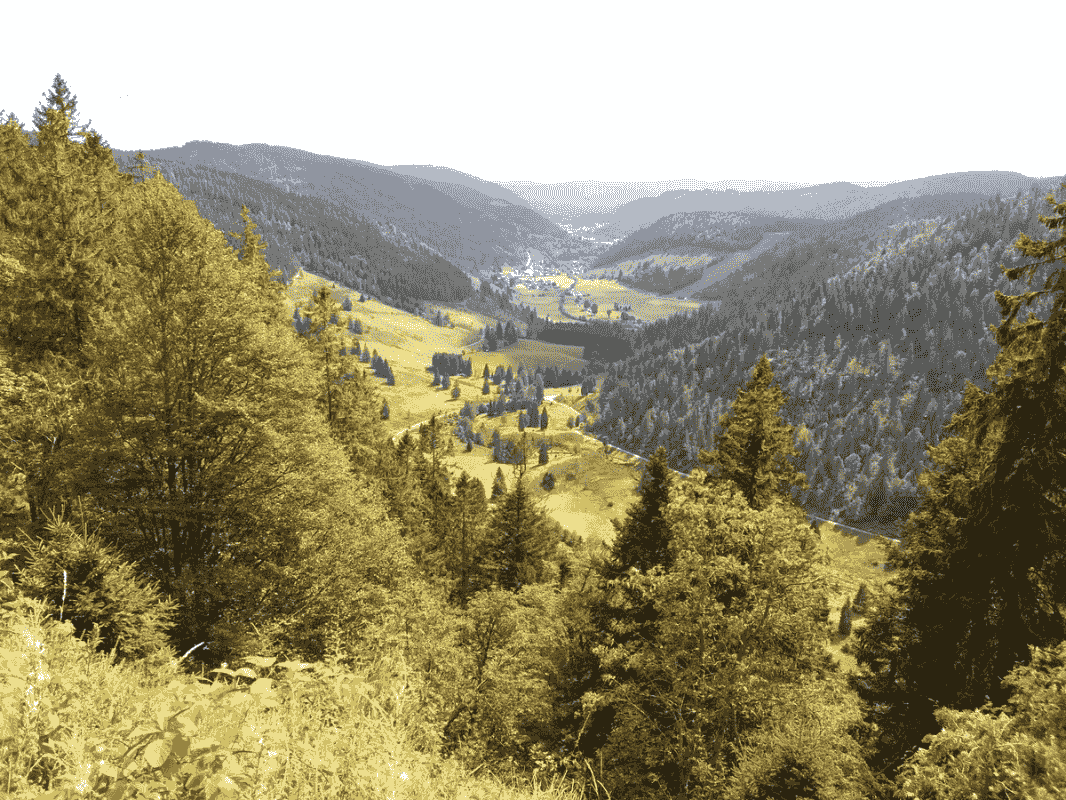
The region around the Feldberg mountain is one of the first were traces of past glaciations have been described on the early 19th century. The most common theory has been that an ice cap rested on top of the highest summit of the Black Forest from which outlet glaciers departed into all directions. Since 2018, the region was systematically geomorphologically mapped, and a chronology was established through the application of modern methods (cosmogenic nuclides, luminescence
and radiocarbon dating). Key results will be presented during the field trip.Fee: 60 € includes transportation - a meal in a typical traditional Black Forest restaurant needs to be covered by yourself.
MAXIMUM PARTICIPANT NUMBER REACHED
Southern Upper Rhine Graben
Date: 2nd of October, 2026 Time: ~9:00 AM more details will follow
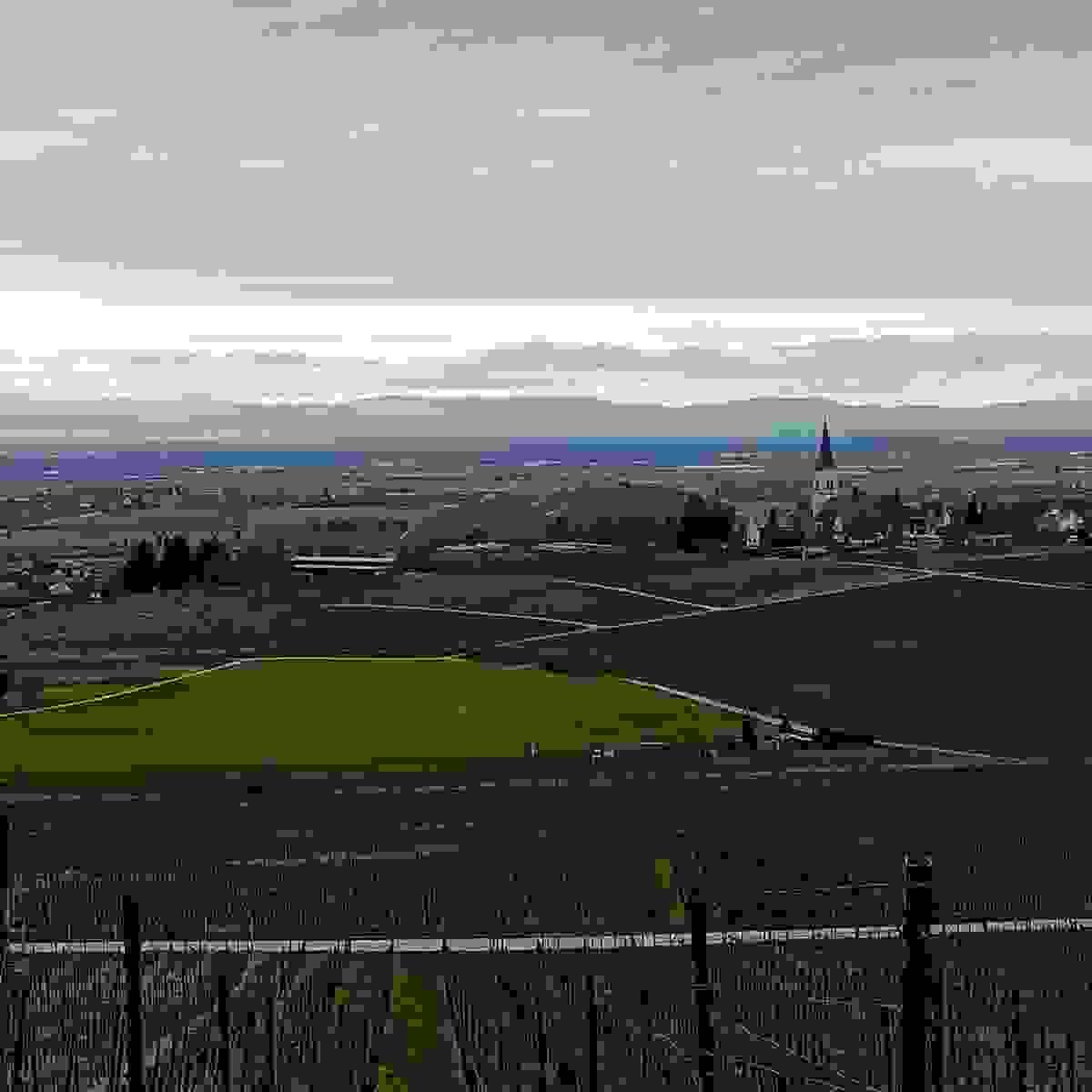
This excursion will focus on the Quaternary sediment dynamics in the southern Upper Rhine Graben in response to Alpine glaciations. In the morning, we will depart by minibus towards the ice margin of the most extensive Alpine glaciation, just outside of the graben in the border region with Switzerland. From there, we follow the sediments’ pathway back north, discussing new results on the region’s (glacio-) fluvial and aeolian deposits, the interactions between them, and the impacts of climatic and tectonic processes. Stops include the Isteiner Schwellen, where the Rhine has cut down to Jurassic limestone, the Lower Terrace escarpment at Neuenburg, and the Bad Krozingen area, where meltwater gravels and loess interfinger at the graben margin. The excursion is expected to end at around 6 pm.
Fee: 60 € - includes transportation - a meal in a restaurant needs to be covered by yourself.
MAXIMUM PARTICIPANT NUMBER REACHED